Retailers are no strangers to stretch film, especially on the logistics and warehousing side. Stretch film is an ideal means of containing a load in transit, but it also offers other beneficial applications in retail, such as bundling products for resale or managing bulk returns.
Distributors serving these clients may hear some of these common complaints about stretch film, however:
- Worker fatigue and repetitive strain injuries from manual wrapping.
- Inconsistent wrap quality, leading to load failures in transit.
- Film breaks mid-wrap, causing downtime and frustration on the floor.
- Price volatility of virgin resin is driving up packaging costs.
- Managing multiple SKUs of film across different facilities.
- Inconsistent quality across shipments from current suppliers.
- No visibility into actual film usage vs. waste.
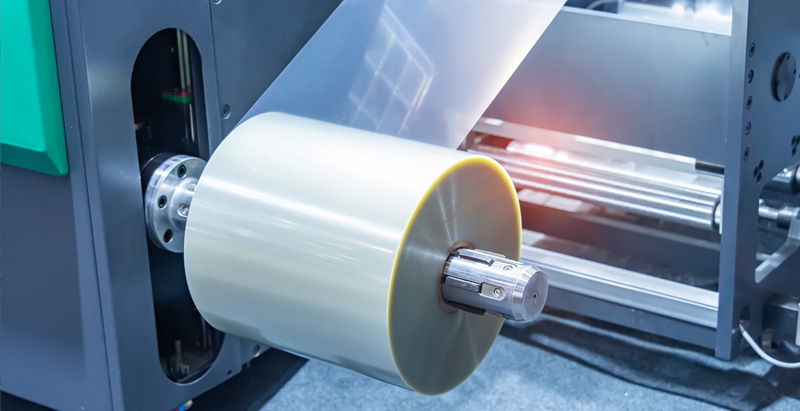
If a client comes to you with these issues, a viable solution may be pre-stretched film. Stretched to near-capacity during production, this film minimizes operator exertion, secures freight more effectively, and accelerates the wrapping cycle within high-velocity fulfillment centers. This post will explore the applications of pre-stretched film in retail and other considerations retailers might have before making the switch. As a distributor, you will earn your clients’ trust by understanding the nuances of pre-stretched film.
Also read: Pre-Stretched vs Conventional Film: A Side-by-Side Comparison
The retail applications of pre-stretched film
Anywhere a retail operation might use traditional stretch film is generally a good application of pre-stretched film (with some exceptions that will be explored later in this post).
- Logistics and warehousing: Stabilizing pallets and unitizing both uniform and non-uniform loads. Pre-stretched film is a thinner gauge and higher clarity than traditional film, making it easier to scan attached barcodes or RFID labels.
- Retail floor: Ideal for bundling like items for sale, protecting resale-ready products before stocking, or protecting in-store displays.
- Inventory management: Different colors of pre-stretch film can help with backroom organization or bundling items for returns or refurbishment.
- E-commerce: Pre-stretched film protects outbound parcels and irregular loads in transit.
- Specialty products: Helps protect delicate or non-box-shaped items such as electronics, furniture, or appliances.
The benefits of switching to pre-stretched film
Pre-stretched film is a great choice in retail applications due to its “memory”. Because the film has already been stretched to its ideal elongation point, it unwinds by hand more uniformly, allowing workers to secure pallets with less physical strain and a reduced risk of injury. Once applied, the film attempts to contract, applying an even level of holding force that secures items more consistently than traditional stretch film.
Other benefits include:
- Savings: Although pre-stretched film generally costs more upfront, retailers use about 50% less film, resulting in long-term savings.
- Sustainability: Pre-stretch film is usually a thinner gauge than traditional stretch film, meaning less material is used overall, and the material savings compound over time. While not readily recyclable at many neighborhood recycling centers, many retailers can already process stretch film through their bag recycling programs.
- Durability: An entire roll of traditional stretch film can go to waste if the edges are damaged. Pre-stretched film has reinforced edges, which makes it less likely to break during wrapping.
- Lightweight: Using less material means a lighter shipping weight and lower costs. While this may not yield savings at low volumes, higher-volume operations will definitely see the difference.
- Quality control: High clarity and a thinner gauge make it easier to visually inspect loads and scan barcodes or other tracking codes.
Also read: How Converted Films Support SKU Rationalization to Reduce Complexity for Distributors and Customers
When to use pre-stretch film and when not to
When advising retailers on when to adopt pre-stretched film, there are a few things to keep in mind. Pre-stretched film is generally intended for light to medium-weight loads. Heavy-duty loads or irregular shapes, especially with sharp edges or corners, may not be ideal.
Pre-stretched film is best for hand wrapping applications. For the most part, operations with machine wrapping equipment do not need pre-stretched film, as the machinery, when properly calibrated, optimizes the torque required to stretch the film.
Additionally, retailers may need a different specialty film based on the application. For example, retailers specializing in produce should experiment with vented stretch film. Or garden centers that keep inventory in greenhouses or outdoors may want to try UV-resistant films. These are the questions that retailers may or may not know to ask. Adherex specialists can help you ask the right questions to help your customers find the right film for the right job.
Is pre-stretched film right for your retail clients?
Switching to pre-stretched film is a big decision. This seemingly small choice can have ripple effects across your customers’ operations. Helping them weigh the pros and cons builds trust in your relationship with clients, ultimately extending the life of the client relationship and reducing churn. Lean on our material expertise to help your clients make the right choice.
Adherex Packaging is your go-to source for all things film and tape. We have numerous products in stock and ready to ship across our 8 strategic distribution locations across the US. Furthermore, through our Adherex Specialty division, we offer custom conversion services to precisely tailor dimensions, gauges, and technical attributes to your customers’ unique requirements.
Get in touch to learn more about how we can help you support your customers.