Managing costs and protecting margins is a full-time job for distributors. And with rising costs on plastics and other shipping supplies driven by high oil prices, tariff knock-on effects, and rising inflation, that task is more challenging than ever.
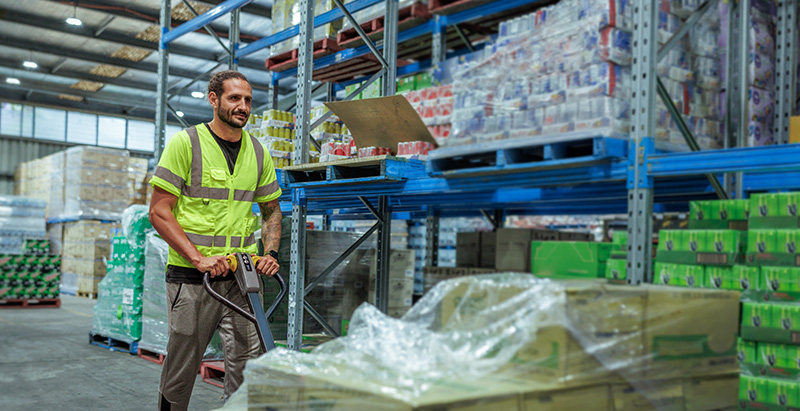
When distributors seek to cut costs, they often turn first to their pallet wrap, the packaging film that protects loads. While seeking out cheaper commodity films can drive costs down in the short term, it can be an expensive mistake in the long run. Packaging Digest reported that between 2% and 11% of all loads arrive at a distribution center damaged. While 2% does not sound like much, compounded over time, those losses can add up, wiping out any savings from cheaper stretch film.
Distributors must balance cost-cutting with load containment efforts. And sometimes that means spending more in the short term for converted stretch film.
The difference between converted and commodity films
Commodity stretch film is the everyday wrap you might purchase at a shipping supply store. And there is certainly nothing wrong with this film, in small amounts. But once a distributor ships in any type of volume, the stakes grow for load containment.
Converted packaging films represent a specialized category of plastic wrap that undergoes meticulous transformation from master rolls of raw material (PE, PET, or PP) into tailored rolls, sheets, or pouches via laminating, slitting, pre-stretching, or printing. This advanced engineering elevates the base material to provide superior strength, moisture barriers, and sealability, ensuring your raw film is optimized for high-performance, application-ready containment.
Learn more: Engineered Stretch Film: High-Performance Versus Off-the-Shelf Films
The volume mistake: Understanding the total cost of packaging film
A lower price per roll of stretch film can reduce costs, at least superficially. The problem is that cheap film does not account for the whole picture. The total cost of pallet wrap includes other variables, including:
- Material costs: While the price of a stretch film roll is a factor, so is the amount of material used. Converted packaging film often uses a stronger, but thinner gauge, which lowers the amount of overall wrap needed per load.
- Application and labor: The labor needed to properly wrap a pallet is also incredibly important. Even the best stretch film can fail if it is not properly applied.
- Waste: More material, higher gauge, and more wraps per pallet mean more material used, regardless of how much the roll costs.
- Damage and returns: Without proper load containment, loads can be damaged. Too much force can crush boxes, while too little can spill a pallet in transit. And damaged goods lead to returns and potential insurance claims.
Instead of considering the cost of packaging film per roll, distributors can factor in these variables to shift to the total cost per pallet and per truckload, which gives a more accurate view of costs, especially over time.
How converted films save distributors money
Converted packaging films save distributors in a few key ways, reducing total packaging costs:
- Less material used: Converted films, especially pre-stretched films, are often thinner gauges that achieve the same level of load containment with less material. By downgauging stretch film without sacrificing protection, distributors reduce waste, a move that also supports sustainability efforts
- Lighter rolls: Lowering material content lowers pallet weight and reduces freight costs. Additionally, these rolls take up less space in warehouse storage and are easier to move around or apply by hand.
- Enhanced protection: Converted films are generally stronger than off-the-shelf versions, providing greater protection and reducing the risk of damaged items or returns.
- Film suited to purpose: Converted films undergo a process that adds features to the raw material to achieve specific goals. For example, layered stretch film combines several materials to add strength, and pre-stretched films are stretched to their optimal tension during manufacturing, ensuring easier hand application and optimal load containment.
Also read: Pre-Stretched vs Conventional Film: A Side-by-Side Comparison
Operational efficiency: Beyond the roll
Choosing the right film for your purpose
Selecting the correct film for your specific application is the first step toward significant cost savings. Not all loads require the same level of containment or material strength. For instance, light loads under 800 lbs. can often be secured with a 60-70 gauge film, whereas heavy loads over 1,200 lbs. require reinforced high-performance options. Over-specifying your film adds unnecessary weight (and expense) to every pallet shipped.
Understanding your primary options is essential:
- Blown film offers superior puncture resistance for irregular loads.
- Cast film provides better clarity and quieter application for uniform loads.
- Pre-stretched film is the gold standard for manual wrapping, as it ensures consistent tension with significantly less material.
Optimizing technique and training
Even the best film will fail if applied incorrectly. Standardizing wrapping procedures across your team eliminates the “just in case” over-wrapping habit that plagues many facilities. By conducting load stability tests, you can determine the exact number of revolutions needed for safety, reducing waste. Training operators on proper tension and overlap ensures that these efficiencies are maintained long-term.
Monitoring and smart procurement
To truly control costs, you must measure them. Tracking pallets wrapped per roll allows you to identify consumption spikes caused by equipment issues or poor technique. Furthermore, buying smarter means looking past the initial price tag. Work with an industry-experienced supplier to uncover hidden operational costs and ways to optimize material use.
Sustainability as a cost driver
Modern stretch films use advanced resins to deliver high strength at lower gauges, reducing material use and freight weight and lowering costs. Additionally, implementing a recycling program for post-use film can reduce disposal fees while supporting corporate sustainability goals.
Strategic investment is long-term margin protection
Selecting the appropriate stretch film is a critical strategic decision for any distribution operation. Beyond simple containment, converted films directly influence product integrity and operational overhead. By leveraging the advanced performance of converted materials, distributors can actively protect their margins through enhanced efficiency and reduced risk of transit damage. While transitioning may involve an initial investment, the long-term gains in load reliability and material savings provide a substantial competitive advantage. These high-performance films ensure your products reach their destination safely, effectively safeguarding your bottom line from the hidden costs of failure.
Adopting converted packaging film is a proactive shift toward operational excellence in modern logistics. As your dedicated packaging partner, Adherex Packaging provides the specialized guidance necessary to implement these smarter growth plays across your facility.
Our specialists can help you identify specific opportunities to reduce waste and optimize total cost per pallet through high-performance conversions. Reach out to our team to learn how transitioning to converted film can strengthen your operational resilience and drive sustainable growth for your business.