Every decision in food packaging is critical. Companies in the food industry must balance the quality, safety, and costs of their packaging materials. For distributors serving those customers, advising and informing food manufacturers not only helps them save money and improve their bottom lines but also builds a stronger relationship over time.
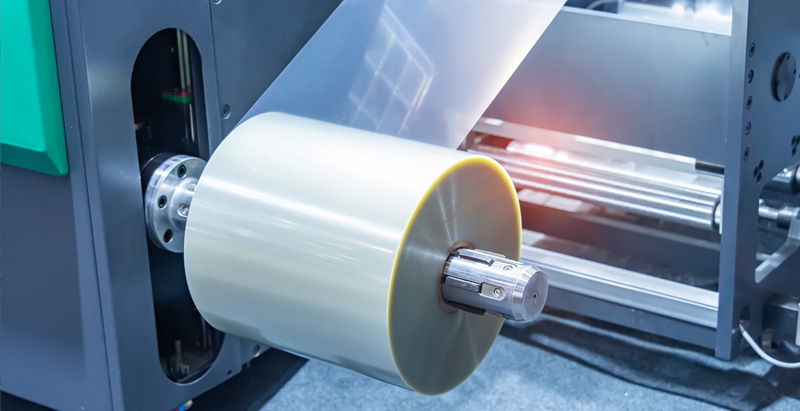
Printable food packaging film checks multiple boxes for food manufacturers: it saves costs on additional labeling while providing protection and shelf-life enhancements. But selecting the right film material is vital to the bottom line and staying true to the brand.
This post provides an in-depth examination of the different types of printable food packaging films, weighing the factors to select the right one for a food product. It will serve as a springboard for conversations with your clients about their applications.
Understanding FDA compliance
Before we dive into the materials, it can be helpful to understand how FDA regulations operate in this space. Unlike drugs or devices, the FDA does not approve packaging films. Rather, food-safe materials must comply with the regulations that govern this space, primarily 21 CFR Parts 174–178.
Learn more: Flexible Packaging Films for Food: Managing Food Regulations and FDA Compliance
FDA-compliant printable food packaging films
Biaxially Oriented Polypropylene (BOPP)
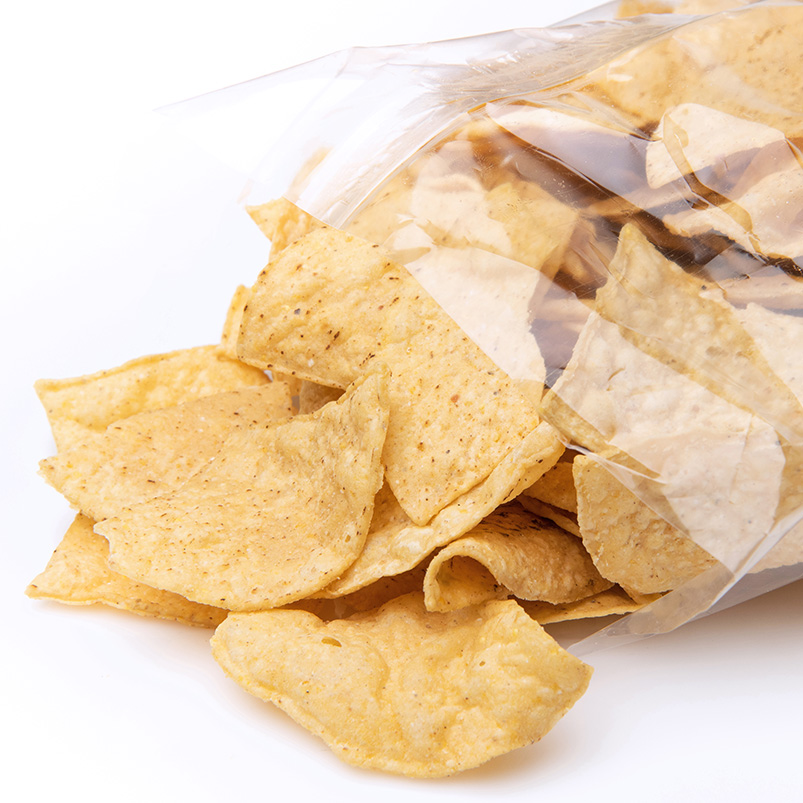
Uses: Snack bags, candy wrappers, bakery packaging, labels, chip bags, cereal liners.
Pros:
- Exceptional print clarity and color vibrancy, one of the best surfaces for flexographic printing.
- High moisture barrier.
- Lightweight and cost-effective.
- Good stiffness for high-speed packaging lines.
Cons:
- Poor oxygen barrier on its own (often needs lamination with EVOH or foil).
- Not heat-resistant enough for hot-fill or retort applications.
- Not recyclable in most curbside programs.
Cast Polypropylene (CPP)
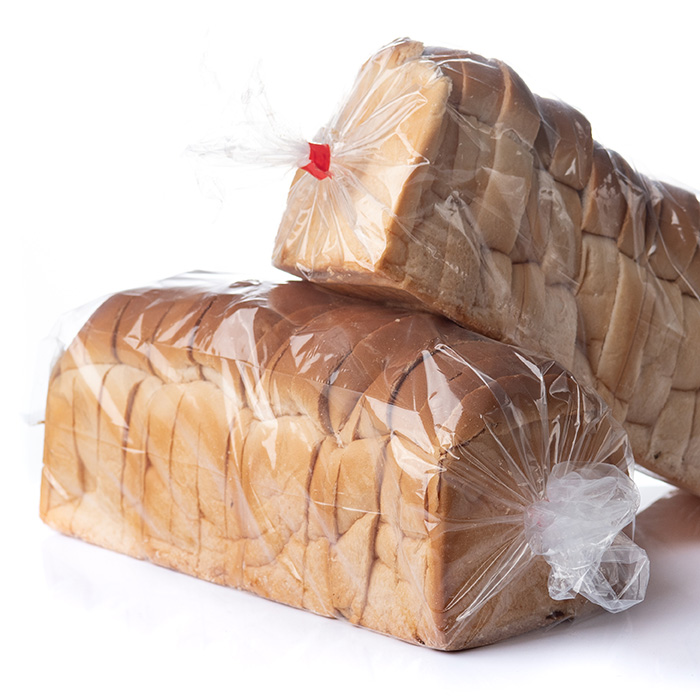
Uses: Bread bags, fresh produce packaging, candy twist wraps, metalized snack packaging, and lamination sealant layers.
Pros:
- Excellent heat-seal strength.
- Good clarity and gloss; ink adheres well.
- Softer and more flexible than BOPP.
- Can be metallized for enhanced barrier and shelf appeal.
Cons:
- Weaker oxygen barrier than PET or BOPP.
- Less stiffness than BOPP, which can cause issues on high-speed lines.
- Lower puncture resistance.
Polyethylene Terephthalate (PET)
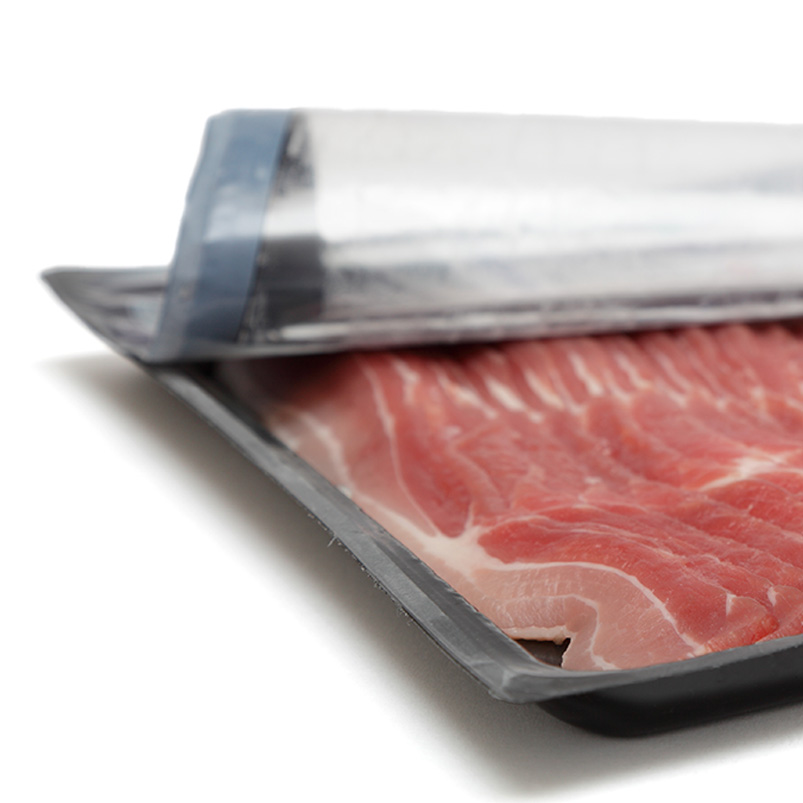
Uses: Pouches, lidding films, retort packaging, vacuum-sealed meats, coffee packaging, and frozen foods.
Pros:
- Excellent dimensional stability.
- Holds print registration very well.
- Strong oxygen and moisture barrier.
- High-temperature resistance, suitable for hot-fill and retort.
- Outstanding tensile strength and puncture resistance.
Cons:
- More expensive than PE or PP films.
- Requires adhesive lamination for sealing (not a sealant layer on its own).
- Heavier than other films.
Polyethylene, Low and High-Density (LDPE & HDPE)
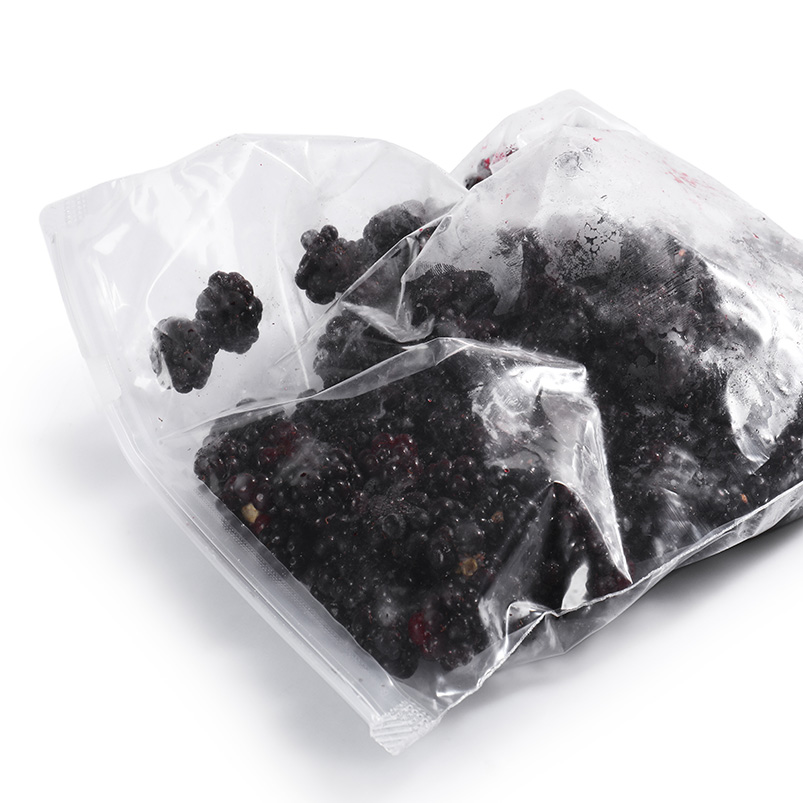
Uses: Bread bags, produce bags, frozen food bags, ice bags, shrink wrap, overwrap, and liners.
Pros:
- LDPE provides a moisture barrier that can reduce moisture transfer by up to 90%, helping extend the shelf life of perishable goods.
- Excellent heat-seal properties.
- Very flexible and tear-resistant.
- Low cost, one of the most economical films available.
- HDPE is strong, lightweight, and does not leach harmful substances into food.
Cons:
- Poor clarity compared to PET or BOPP (especially HDPE).
- Limited print sharpness; ink adhesion requires corona treatment.
- Weak oxygen barrier.
- HDPE is stiffer and less ideal for laminated flexible pouches.
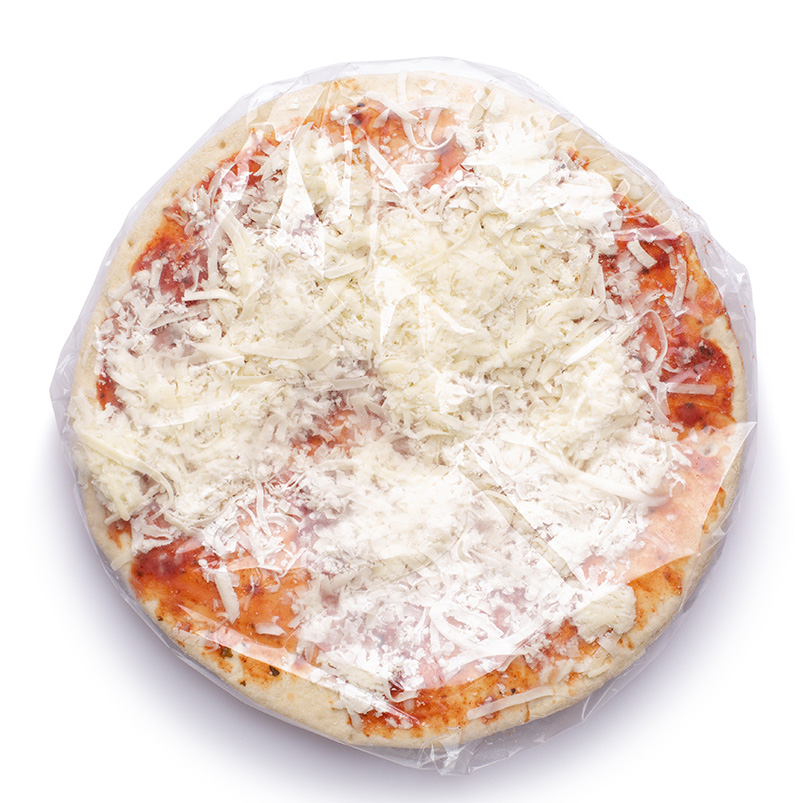
Polyolefin (POF) shrink film
Uses: Bundling multipacks, fresh meat, poultry, produce, frozen pizza, dairy, and retail shrink wrapping.
Pros:
- High-gloss, high-clarity film.
- Tamper-evident.
- Extends shelf life.
- Printable in up to 6 colors for custom branding.
- Stronger and more flexible than PVC shrink film.
Cons:
- Printing must be done before shrinking; post-shrink distortion must be accounted for in design.
- Not suitable for high-barrier applications (needs lamination for oxygen-sensitive products).
- Requires heat tunnel equipment for application.
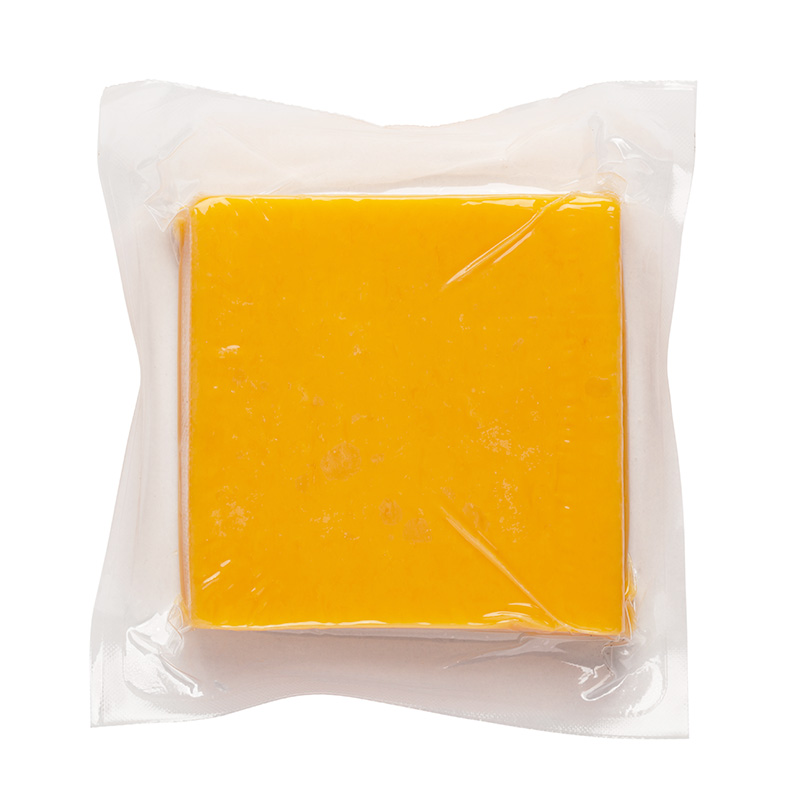
Nylon (Polyamide or PA)
Uses: Vacuum packaging for meats and cheeses, cook-in bags, bone-in meat packaging, and high-abuse applications.
Pros:
- Exceptional puncture and abuse resistance (ideal for sharp bones).
- Good oxygen barrier.
- Withstands cooking and boil-in-bag applications.
- Printable with good ink adhesion after surface treatment.
Cons:
- Absorbs moisture, which can affect barrier properties over time.
- Higher cost than PE or PP films.
- Typically used as one layer in a laminate rather than a standalone.
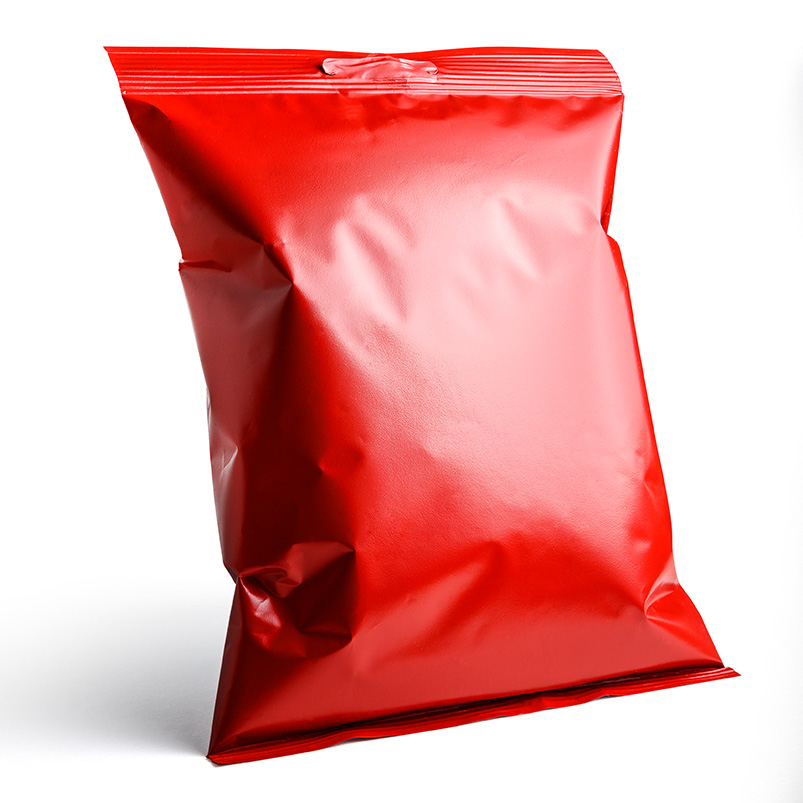
Metallized films (PET or BOPP with an aluminum layer)
Uses: Snack bags, coffee pouches, pet food, protein bars, and condiment packets.
Pros:
- Dramatically improved oxygen and moisture barrier compared to clear versions.
- Options for matte, gloss, or metallic finishes give a strong shelf presence.
- Eye-catching appearance that adds strong shelf appeal and a premium look.
- Printable on the outer surface with vibrant results.
Cons:
- Not transparent; the product is not visible through the packaging.
- Not microwaveable.
- Difficult to recycle.
- More expensive than standard clear films.
FDA-Compliant Printable Food Packaging Films
| Film | Uses | Pros | Cons |
| BOPP (Biaxially Oriented Polypropylene) | Snack bags | Candy wrappers | Bakery | Labels | Best print clarity | Moisture barrier Lightweight & low cost | Poor oxygen barrier alone | Not heat-resistant | Hard to recycle |
| PET (Polyethylene Terephthalate) | Pouches | Lidding film | Retort packs | Vacuum sealing | Excellent print registration | High Oxygen & Moisture barrier | Heat Resistant | More expensive Needs lamination to seal |Heavier film |
| CPP (Cast Polypropylene) | Bread bags | Produce | Twist wraps | Snack laminates | Strong heat seal | Good clarity & gloss | Can be metallized | Weak oxygen barrier | Less stiff than BOPP | Lower puncture resistance |
| PE (Polyethylene) | Produce bags | Frozen foods | Ice bags | Excellent moisture barrier | Very flexible | Lowest cost | Poor print sharpness | Needs corona treatment | Weak oxygen barrier |
| POF (Polyolefin Shrink Film) | Multipacks | Fresh meat | Produce | Dairy | High gloss & clarity | FDA/USA compliant | Up to 6-color print | Design must account for shrink distortion | Needs heat tunnel |
| Nylon (PA) (Polyamide) | Vacuum meats & cheese | Cook-inbags | Bone-in cuts | Exceptional puncture resistance | Good oxygen barrier | Boil-in bag capable | Absorbs moisture | Higher cost | Usually used in laminates |
| Metallized Fiilms (PET or BOPP + AI | Snack bags | Coffee pouches | Protein bars | Pet food | Excellent barrier (Oxygen & moisture) | Strong shelf appeal | Vibrant outer print | Not transparent | Not microwavable | Difficult to recycle |
A note on PVC and BPA
While technically FDA-compliant, materials containing Polyvinyl Chloride (PVC) and Bisphenol A (BPA) carry risks. PVC, once common in food applications (stretch wrap, trays), is being phased out due to concerns about plasticizer migration, leading to restrictions from retailers and the EU. POF shrink film is the primary replacement.
BPA, as a potential endocrine disruptor, is banned in baby products and is largely avoided in general packaging due to consumer demand for “BPA-free” products, despite the FDA considering low levels safe.
New food packaging should avoid PVC and BPA to mitigate reputational risk, favoring superior alternatives like POF, PET, and PP.
Other food-grade packaging materials
In food packaging, indirect-contact materials must still be food-grade. These are a few of the applications commonly seen:
Ethylene Vinyl Alcohol (EVOH)
EVOH is a highly effective, non-printable oxygen barrier primarily used in multi-layer films to extend the shelf life of oxygen-sensitive foods such as meats and dairy products. While offering superior oxygen protection and laminate compatibility, its barrier function decreases in high humidity, and it is more expensive than standard films. EVOH is never used as a standalone printable film; it is always used as a laminate layer.
Custom printed stretch film
Custom-printed stretch film enhances the appearance and efficiency of palletized loads in distribution. It aids quick identification and boosts brand visibility throughout the supply chain.
Shrink bundling films
Food and beverage companies commonly use printed shrink bundling films, typically polyolefins or low-density polyethylene, to create convenient, secure multipacks for bottles, cans, and cartons. These films offer excellent clarity, showcasing the products.
The strategic approach to printable food packaging
Food packaging films serve as more than mere protective layers; they are vital components influencing cost, sustainability, product performance, and the overall consumer experience. To make informed decisions, buyers must understand the various material options, barrier requirements, and prevailing industry trends, all of which support operational goals and meet customer expectations. And distributors are uniquely positioned to help buyers make an informed choice.
At Adherex Packaging, we ensure that packaging aligns with materials, meeting high standards for safety and performance. Our SQF certification demonstrates our commitment to continuous improvement, process control, and material expertise. We collaborate with customers to meet evolving food safety compliance requirements.
To find the perfect film for your application, contact a material specialist today.