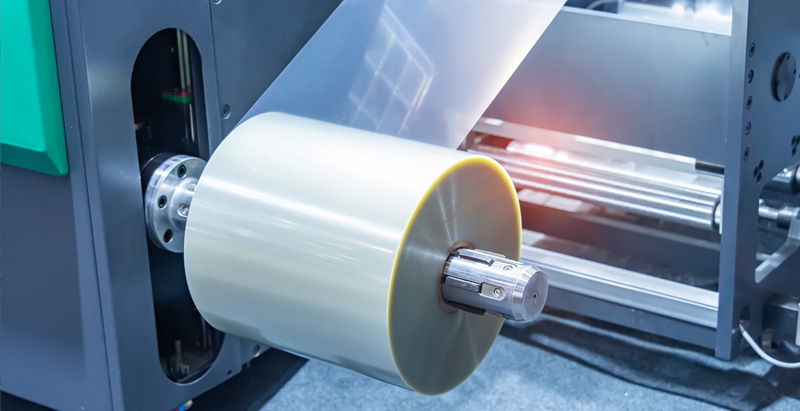
Flexible Packaging Film is a versatile way to extend the shelf life of many food products. However, not all stretch film is food-safe, and the FDA has strict regulations that distributors must follow. Since the late 90s, the FDA has provided guidance on which flexible films are appropriate for contact with food and which pose a substantial risk to consumer health. Over the past decade, additional compliance frameworks have evolved, such as HACCP, SQF, and GMP, to help guide the food industry toward safe handling best practices.
Understanding differences in material, food safe versus food grade, and which applications are suited to which food products is vital to making effective packaging decisions. This post will outline these factors as they apply to flexible film and the food regulations governing its use.
What is the difference between food-safe and food-grade?
In a nutshell:
- Food-grade materials are safe for food contact. Components such as cutting boards or conveyor belts must be food-grade to comply with FDA regulations.
- Food-safe materials are considered safe for direct contact with food, depending on their intended use. For instance, some stretch wrap types may not be food-safe in the microwave or oven, but are perfectly food-safe when refrigerated or frozen.
These two terms are related, but not interchangeable. For example, you might purchase raw fish at the grocery store on a food-grade, food-safe foam tray, wrapped in stretch film. However, if you put this packaging in the microwave, it would melt, so it is not food-safe for that application.
The FDA closely monitors both categories and regularly updates guidance. As an example, the FDA recently warned retailers that the sale of palm leaf-based dinnerware may be illegal in the U.S., after it was discovered to leach trace amounts of a naturally occurring toxin.
The benefits of flexible film in food applications
There are numerous benefits of using food-safe flexible film in packaging:
- Shelf life – Various studies have found that flexible film extends the life of certain meat, seafood, fruit, and vegetables. For example, a shrink-wrapped cucumber might last up to two weeks, whereas a loose cucumber might last only three days before spoiling.
- Protection – Flexible film is an ideal way to protect food products from bacteria, dust, and other contaminants. Also, it can secure a product during transportation.
- Puncture-resistant – Many flexible films are quite durable and resistant to accidental punctures.
- Transparent – Because flexible film is clear, end customers can easily evaluate products to ensure freshness.
Additionally, flexible film can be made for use in either hand-wrapping or machine-wrapping applications.
Also read: How High-Quality Printing Turns Compliant Food Packaging Film into a Marketing Asset
Which stretch film materials are food-safe?
The following materials are common in food applications and are Generally Recognized as Safe (GRAS) by the FDA:
- Polyolefin (POF) shrink film: This is the most widely used, food-safe, and versatile film, commonly used for baked goods, frozen foods, and poultry. It boasts strength and puncture resistance and is free of chloride.
- Linear low-density polyethylene (LLDPE) film: Often used for wrapping food products that require higher strength.
- Crosslinked polyolefin film: This variant of polyolefin is favored for its exceptional strength and superior sealing capabilities, thanks to the irradiation process used during its production, which also serves as a sterilization method.
- Biodegradable cling films: Certain eco-friendly, biodegradable films meet FDA guidelines for direct contact with food items, including fruits, vegetables, and dairy products.
A few critical material considerations:
- Polyvinyl Chloride (PVC): Although the FDA approves some PVC formulations, many are not suitable for direct food contact due to potential concerns about compounds that may be released when heated.
- Bisphenol A (BPA): While BPA is still technically FDA-approved, there is a growing consensus among manufacturers and consumers to avoid products containing BPA due to potential long-term health concerns.
What food regulations apply to flexible film?
What food regulations apply to flexible film?
FDA-compliant flexible film is non-toxic, generally BPA-free, and meets 21 CFR 177.1520 migration limits. It must be durable, safe for the intended temperatures, and usually comes with a Declaration of Compliance (DOC). Additionally, the flexible film must pass tests to ensure that no harmful chemicals leach into the food.
Common pitfalls of using flexible film on food (and how to avoid them)
By far the biggest mistake a business can make is using non-food-grade or food-safe flexible film in a food application. Another misstep is to use a food-safe film in an application it was not designed for (like the freezer or microwave). Improper storage can also affect the viability and lifespan of stretch film.
The best practices for using flexible film in food packaging include:
- Confirming that a particular film is FDA-approved.
- Ensuring the film is food-safe for the specific application for your product (fridge, freezer, oven, microwave, etc.).
- Securing testing documentation to back up claims made on the label. Generally, an FDA-approved film should come with a DOC from the supplier.
- Checking that packaging has traceable lot numbers in case there are recalls or other issues down the road.
- Confirming that LLDPE film is labeled or documented in accordance with 21 CFR 177.1520.
If the supplier cannot produce one or more of these items, it should be considered a risk.
The importance of SQF certification
Effective food safety requires aligning systems, training, and accountability. Selecting an SQF-certified packaging partner helps meet these goals. Safe Quality Food (SQF) certification fully aligns with the FDA regulations. Although voluntary, the SQF addresses over 500 criteria outlined in the FDA’s Preventive Controls for Human Food Rule.
At Adherex Packaging, our SQF certification is a testament to our commitment to continuous improvement, process control, and material expertise. Our dedicated team is proficient in packaging within the wider food safety framework and collaborates with our customers to meet evolving compliance requirements.
Learn more: Why SQF Certification Matters Across the Entire Food Packaging Value Chain
Match the right packaging to the right food product
Finding the right material for the right job is essential in all manufacturing applications, especially in food applications. The correct flexible film can extend shelf life, reduce food waste, and secure your products. The wrong film can put you on the wrong side of FDA compliance, risking regulatory action, or worse, the health of your customers.
To find the perfect film for your application, contact a material specialist today.