In the world of industrial packaging, each choice can significantly impact operations. Distributors and other supply chain professionals face challenges involving cost efficiency, load protection, and reliability. One often-overlooked solution is engineered stretch film. While it may be easy to default to traditional films, understanding the benefits of engineered options can lead to smarter packaging decisions that can significantly enhance your operational efficiency.
Understanding engineered stretch film
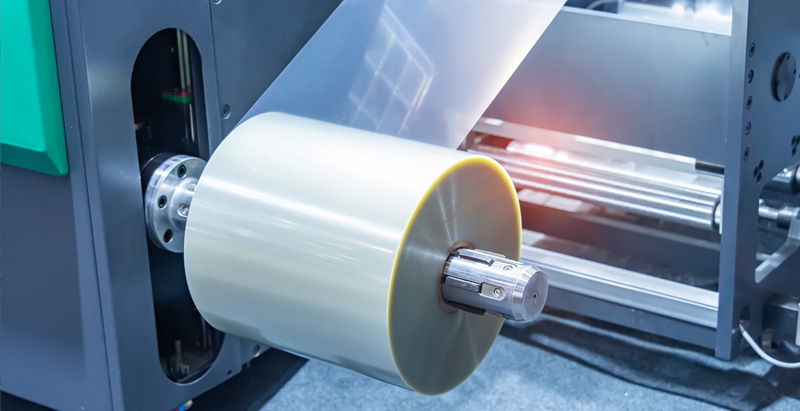
Engineered stretch film is a high-performance packaging material that offers better load containment and puncture resistance than traditional, thicker films. Constructed with advanced multilayer technology, these films are often thinner than conventional film, yet remarkably strong. For instance, engineered films typically range from 40 to 47 gauge (compared to 80 gauge for many traditional films), allowing for exceptional stretch—up to 300% in some cases—while reducing material use and costs per pallet.
Pre-stretched and engineered films are related, but not the same, and offer similar benefits. Both are thinner than traditional film and have exceptional strength. The key difference, however, is that engineered film features added resins and advanced layering to provide unparalleled strength and tear-resistance. In contrast, pre-stretched film is stretched before purchase to improve durability and application speed.
Also read: Cast vs. Blown Stretch Film: How do they Differ?
Key benefits
High performance: Engineered stretch films offer superior tear and puncture resistance. Even at thinner gauges, they outperform conventional films in protecting loads.
Efficiency: These films provide better load stability and require less material. They allow for more footage per roll, reducing waste and costs.
Ergonomics: Pre-stretched options are lighter, reducing operator fatigue and enabling safer, faster application.
Specialized applications: Options such as UV inhibitors for outdoor storage and freezer films for cold environments ensure your packaging meets all specific needs.
Cost-effectiveness: By using engineered stretch film, you may achieve a 25% to 50% reduction in film usage compared to traditional options.
Why choose engineered stretch film over traditional film?
When comparing engineered films to traditional options, there are distinct advantages to consider that affect not only cost but also operational performance. While engineered stretch films may carry a higher initial price tag, they save money i
Superior load containment
Engineered films are specifically designed to maintain their shape and provide higher holding force, ensuring your loads remain stable. This reliability is crucial during high-vibration transport or handling. As a result, you experience fewer damages and losses, which can save costs over time.
Enhanced resistance
Although engineered films are thinner, many feature advanced multi-layer construction—sometimes up to 67 layers in nano versions—making them highly resistant to punctures and tears. This added durability can protect your products during transport and storage, further reducing damage claims.
Sustainability
Reducing your reliance on plastic by using thinner films not only minimizes environmental impact but also aligns with many companies’ sustainability goals. Engineered films require less energy during production and transportation, resulting in a lower carbon footprint.
Improved operational efficiency
Implementing engineered stretch film can streamline your packaging processes. With a reduced roll weight—approximately 4 lbs for hand rolls versus 8 to 9 lbs for traditional options—your operators experience less fatigue, leading to more efficient workflows.
Specialized solutions
Engineered films often incorporate additives tailored for specific applications. For example, vented designs can help prolong the freshness of produce, while anti-static properties are valuable for electronics. This versatility makes engineered stretch film an ideal choice across various sectors.
Also read: 7 Strategies for Reducing Stretch Film Usage
| Feature | Traditional film | Engineered (high-performance) film |
| Typical gauge | Thicker (e.g., 80 ga) | Thinner (e.g., 51–63 ga) |
| Stretch potential | ~150% | 300% or more |
| Material use | High | Low (up to 55% less) |
| Roll weight | Heavy (8–9 lbs for hand rolls) | Ultra-light (approx. 4 lbs) |
| Strength | Dependent on thickness | Stronger at thinner gauges |
Comparing traditional and engineered films
A winning solution for distributors
Moving away from a transactional mindset of selling commodities to a solution-focused approach with engineered stretch film is key for distributors. Below are a few reasons why:
Value for performance
Engineered films provide a compelling value proposition, emphasizing lower total costs rather than just price per roll. While cheaper films might lower initial costs, they often lead to higher damage rates and increased overall spending.
Building customer relationships
The expertise necessary to implement engineered films allows distributors to position themselves as trusted partners. By evaluating customers’ needs and developing tailored solutions, distributors can foster long-lasting relationships.
Reducing damages and returns
Properly engineered solutions ensure loads arrive in “as-made” condition, reducing damage claims and returns. This reliability enhances customer satisfaction and retention.
Operational efficiency
Engineered films typically enable faster processing on automated equipment, increasing throughput. This added efficiency can significantly improve overall operational performance.
Making the right choice for your operations
Choosing the appropriate stretch film is crucial for any manufacturing or distribution operation. There are numerous factors to consider, each affecting the product’s quality by the time it reaches the end user. By assessing the benefits of engineered stretch films, you can make informed decisions that enhance efficiency and reduce operational risk. While it may require an initial investment in expertise, the long-term gains in performance and reliability could significantly impact your bottom line.
Moving toward engineered stretch films is not just a trend; it is a strategic decision that aligns with the practical needs of modern distribution and manufacturing environments. As your trusted packaging partner, we at Adherex Packaging are here to assist you through this transition and ensure your packages perform reliably in every aspect.
Get in touch with one of our packaging experts to learn more.